
- Index
- Certification
- Composition
- .999 Silver (10)
- .9999 Silver (28)
- 99.99% Pure Silver (29)
- Aluminum (18)
- Bi-metallic (6)
- Billon (11)
- Bronze (56)
- Copper (12)
- Copper-nickel (5)
- Gold (37)
- Gold And Silver (9)
- Gold, Silver (9)
- Nickel (10)
- Pure Silver (14)
- Silver (3886)
- Silver 925 / 1000 (13)
- Silver 999 / 1000 (10)
- Silver Certificate (7)
- Silver With Opal (5)
- Varies (6)
- ... (2119)
- Denomination
- Fineness
- Grade
- Year
China 1933 Sun Yat Sen Birds Junk Silver Dollar Coin Tested #AP72
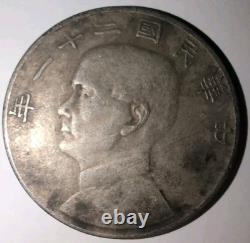
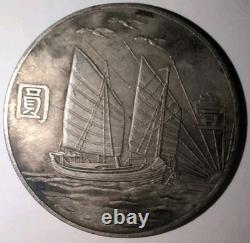
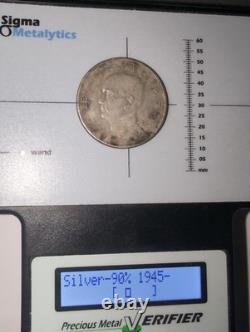
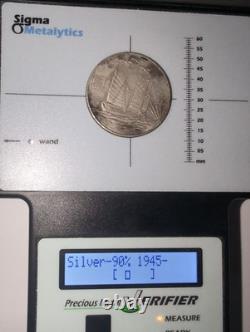
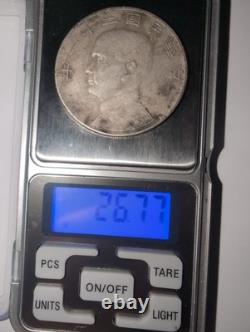
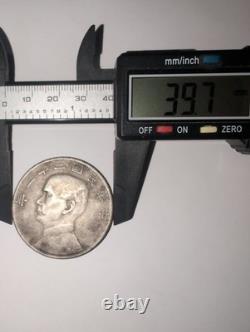
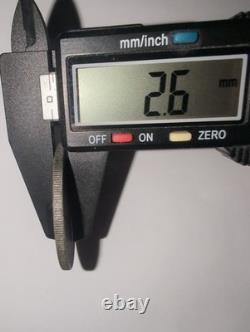
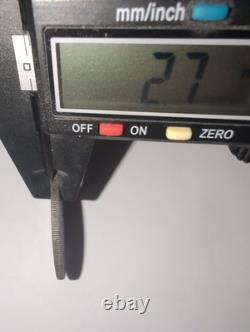
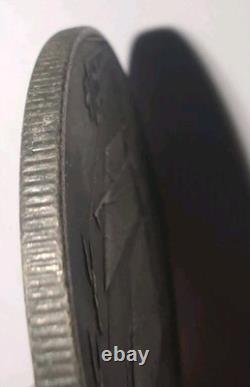
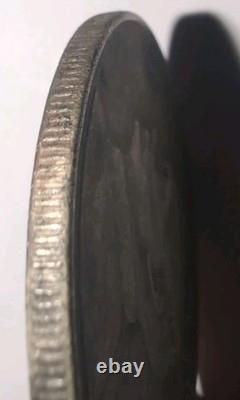
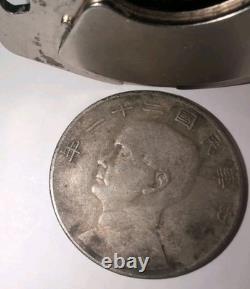

This coin has not been authenticated or graded by any professional grading service. Here is how I test each coin in the photos. Sigma Precious Metal Verifier Test. It checks the resistivity of the metals in the coin, I combine this with the specific gravity data (weight and dimensions) to determine what the coin is made out of. Certain other metals are less dense than silver, usually at least 14% less dense which effects the weight so if the coins are usually all the same size, I can tell via the weight if something is off with the alloys within the coin because it will weigh less than normal.
After a lot of experince, I can say the usual diameter is 39.8mm, not 39mm like most sites round the number down to, the center is usually 2.5mm and the rim is usually 2.7mm. If the dimensions and weight are as usual, I dont do a specific gravity equation. The coins are usually around 26.8 grams. I have seen a professional grading service be wrong in regards to certain coins being 26.4 grams and I have seen them grade heavier ones. I make sure it makes a sound to make sure there is not a tungsten core, but I do not rely on this test, I prefer specific gravity and the precious metal verifier to indicate the density of the metals and resistivity, for example copper is 14% less dense than silver so a silver plated copper coin with these dimensions, based on a specific gravity equation, would not weigh 26.8 grams typically, it would probably weigh 14% less i.
A non silver coin would be below 26 grams and would not match the weight range in the Illustrated Catalogue of Chinese Coins. These coins were made in China so they are not going to sound exactly like an American silver dollar. If it was attracted to magnets, it would get pulled right onto that magnet. Note : Silver is DIAMAGNETIC (look up diamagnetism) so the coin will slightly wobble a little bit if you put it on your fingertip and put a strong magnet near it and bob the magnet up and down really close to it, this does not mean it is made of steel or is fake, or is attracted to magnets, it is the coin being very slightly repelled away from the magnetic field. Try it with a silver coin you already have.I put a very strong magnet 1mm away from every coin I test to show it is not magnetic and try to pick it up with the magnet. Look up Chinese Contemporary Counterfeits on Numista and the ones they show usually weigh below 26 grams or are magnetic or are the wrong size. I have caught at least 100 fake ones already as I have experience.
Copper weighs 14% to 15% less than silver. Brass weighs 15% to 20% less than silver.Stainless steel weighs 23% to 25% less than silver. Lead weighs 7% to 8% more than silver so it would be too heavy and the resistivity is 10 times higher. Iron weighs 25% to 33% less than silver depending on the specific type of iron and its purity and it would be magnetic!
Nickel weighs 15% to 16% less than silver. Titanium weighs 40% to 50% less than silver. Tin weighs 30% to 32% less than silver. Aluminum weighs 74% less than silver. A 39.8mm coin is is actually approximately 4.14% larger in volume than a 39mm coin.Range of size is usually 39 to 39.8. Keep in mind 4.14 is less than any of the above weight differences. The thickness of standard Qing Dynasty silver dollar coins (one yuan/7 mace and 2 candareens) is typically around 2.5 mm to 2.66 mm yep! Diameter: Generally around 39 mm. (In the coin book usually from 39 to around 39.8).
Weight: Approximately 26.5-27 grams yep! So even if the diameter is even slightly off there is no way for it to be some other metal plated with silver based on up to a possible 4.14% difference in size versus the weight difference the other alloy would cause!Any metal you picked would have a different resistivity or be magnetic or be too expensive to make sense and my coins fall into the average size and weight ranges of the illustrated catalogue of Chinese coins! Of the hundreds of non real coins I have found, I have only ever found one that wasnt real that weighed about right and the resistivity was 20 on the precious metal verifier (over ten times higher than silver) so that is why resistivity (the sigma precious metal verifier checks that) combined with specific gravity (size and weight) is important.
I have seen two of the same coins in slightly different diameters but keep in mind that the mints were often run by various warlords who made slight variances at their mints. Another thing to keep in mind is that not every single Chinese coin from that era was in Kann's book, that is why there are new coins discovered sometimes. Another thing, with the original sigma tester, if the line is in the left in the brackets, instead of the middle, that means more silver and if it is on the right in the brackets, that means less silver, it just depends on the province or period or coin.For it to test as silver, all it has to do is fall within the brackets on any given setting, so I usually use the. 9 setting, some coins tend to be higher, gansu coins having been slightly debased can be lower. If I have to use the. 999 setting that doesnt mean it is. 999 it just means the.
9 setting indicated it was slightly higher than. " and "The National Currency Regulations set the standard for an 89% silver coin with the yuan or dollar to weigh 26.86 grams This doesnt mean they all will weigh that amount obviously if you read the Illustrated Catalogue of Chinese Coins, weights and sizes vary within a certain range.
Usually 26.4 grams to 27 grams and between 39mm and 39.8... My caliper rounds to the tenths but rest assured the 26.86 gram ones likely were adhering to their early regulations.